

Share :
How to Choose the Best Centrifuge for Your Laboratory: A Complete Buying Guide
Updated On 04/30/2025
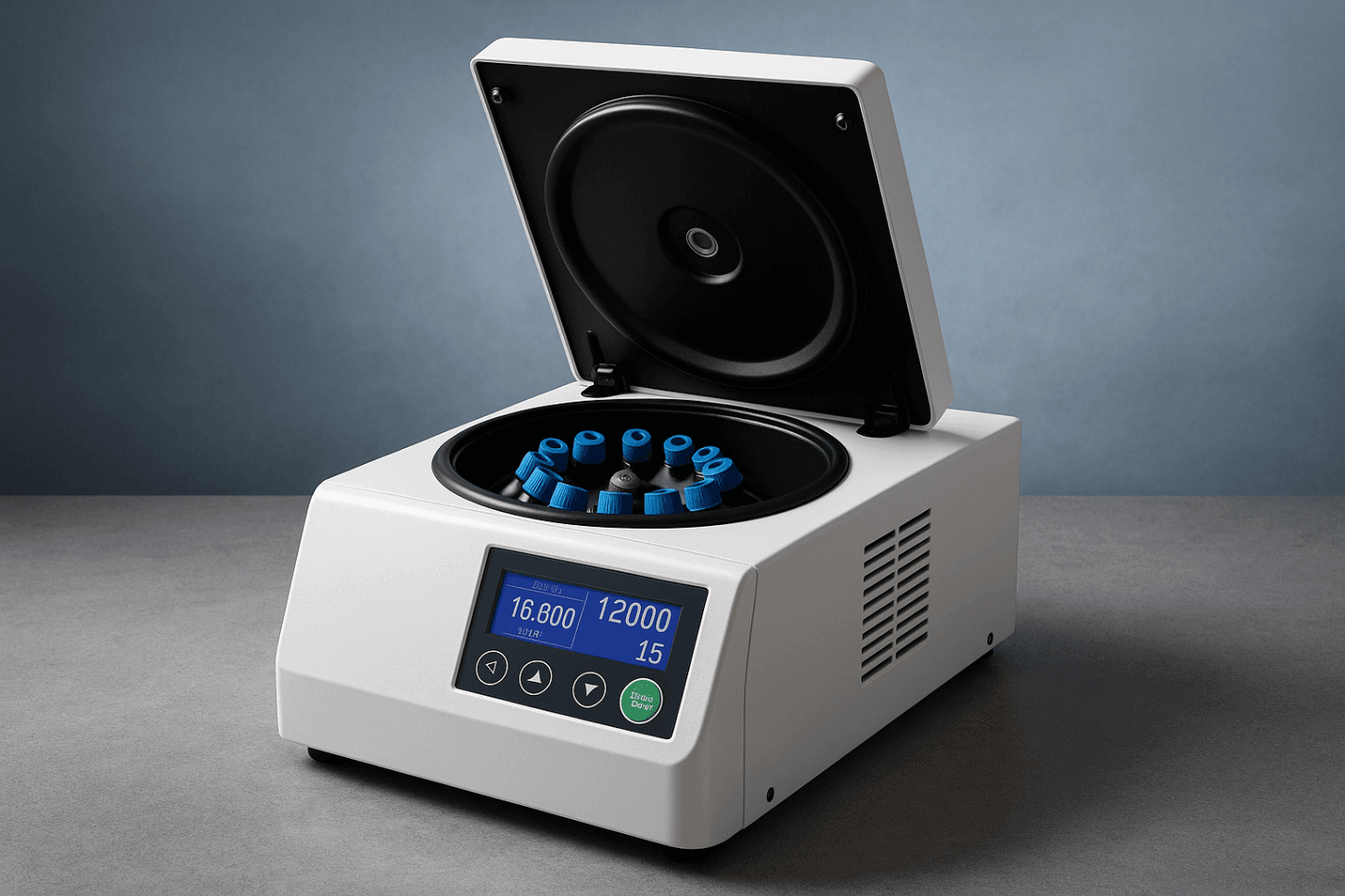
Introduction
Selecting the right centrifuge can feel overwhelming when you are comparing different speeds, capacities, rotors and features. Whether you work in clinical diagnostics, academic research, molecular biology or pharmaceutical production, the centrifuge you choose must match your sample type, throughput and accuracy requirements.
This guide outlines all the key factors to help you identify the right centrifuge for your applications. If you are searching for the best centrifuge for laboratory use, this is the resource to start with.
1. Start With Your Application
Your application influences almost every decision that follows. Begin by asking:
-
Are you working with blood, cells, proteins or DNA?
-
Do you require temperature control for sensitive samples?
-
What tube format do you use such as microtubes, 15 mL conical tubes or 50 mL Falcon tubes?
-
Do you need to process multi well plates?
Your answers will point you toward the correct centrifuge category.
2. Consider Sample Volume and Throughput
Different centrifuge types support different workflows.
-
Microcentrifuges handle 0.2 to 2.0 mL tubes and suit small scale preparation.
-
Benchtop centrifuges accommodate 15 to 50 mL tubes for routine laboratory work.
-
Floor standing models handle larger volumes for high throughput processing.
-
Plate or multichannel rotors are essential for screening plates or automation workflows.
Tip: Always choose a centrifuge with slightly more capacity than you currently need. It gives your lab room to grow.
3. Understand RPM and RCF
RPM describes how fast the rotor spins.
RCF describes the actual force applied to the sample.
RCF is the more meaningful metric when separating small particles such as RNA, proteins or fine cellular components. Look for centrifuges that allow you to set either RPM or RCF, or offer a clear conversion chart.
4. Choose the Right Rotor Type
Fixed Angle Rotor
-
Tubes positioned at roughly 45 degrees
-
Faster pellet formation
-
Ideal for pelleting cells or debris
-
Suitable for high speed applications
Swing Out Rotor
-
Tubes swing to a horizontal position during the spin
-
Better for blood separation and density gradients
-
Slower speeds but excellent layer resolution
Tip: Many centrifuges support multiple rotor types. Check compatibility and available adapters before purchasing.
5. Decide If You Need Refrigeration
Temperature control is essential for many biological and biochemical applications.
-
Refrigerated centrifuges maintain sample stability at 4°C or lower.
-
Essential for enzymes, proteins, plasma and temperature sensitive reagents.
-
A refrigerated microcentrifuge is a compact solution for small labs.
Refrigeration increases cost but is critical for many workflows.
6. Look for Key Features
When comparing models, prioritise features that improve usability, safety and long term reliability:
-
Digital RPM and RCF control
-
Programmable timer
-
Soft brake function
-
Safety lid lock and shut off
-
Automatic imbalance detection
-
Rotor recognition
-
Quiet operation
-
Compact or stackable design
7. Best Selling Centrifuge Brands at LabFriend
LabFriend offers a curated range of high performance centrifuges:
-
Thermo Scientific for flexible clinical and research systems
-
Grant Instruments for user friendly benchtop models
-
Eppendorf for premium microcentrifuges and refrigerated units
-
OHAUS for robust construction and precise digital speed control
These manufacturers are widely trusted in laboratories across Australia.
8. Maintenance and Calibration Considerations
A high quality centrifuge can last over ten years with correct care. When comparing models, look for:
-
Easy access rotors for cleaning
-
Serviceable motors and electronics
-
Availability of replacement rotors and spare parts
-
Optional calibration services
LabFriend can assist with calibration requirements where needed.
9. Budget and Long Term Value
Price matters, but the cheapest centrifuge is rarely the best investment. Consider:
-
Speed range and maximum RCF
-
Rotor compatibility and upgrade flexibility
-
Warranty terms
-
Brand reliability
-
Future capacity expansion
Refrigerated and high speed models may cost more initially but provide significantly more capability.
Final Checklist: What to Look For
-
Application specific functionality
-
Suitable volume range
-
Accurate speed and RCF control
-
Rotor compatibility for your workflows
-
Temperature control if required
-
Core safety features
-
Reliable manufacturer and local support
Final Thoughts
Choosing the best centrifuge does not need to be complicated. Once you understand your sample types, volume requirements, rotor preferences and essential features, selecting the right model becomes much clearer.
LabFriend stocks clinical, research, benchtop and refrigerated centrifuges from leading global manufacturers, with fast Australia wide delivery and expert local support.
Explore centrifuges at LabFriend and find the model that fits your workflow with confidence.
Related Stories
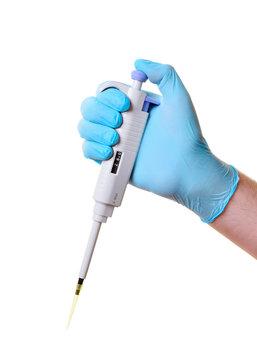
Advancements in Micropipette Technology
The advancements in micropipette technology have made labwork more efficient, safe, and reproducible. They have also made it possible to perform more complex and challenging experiments.
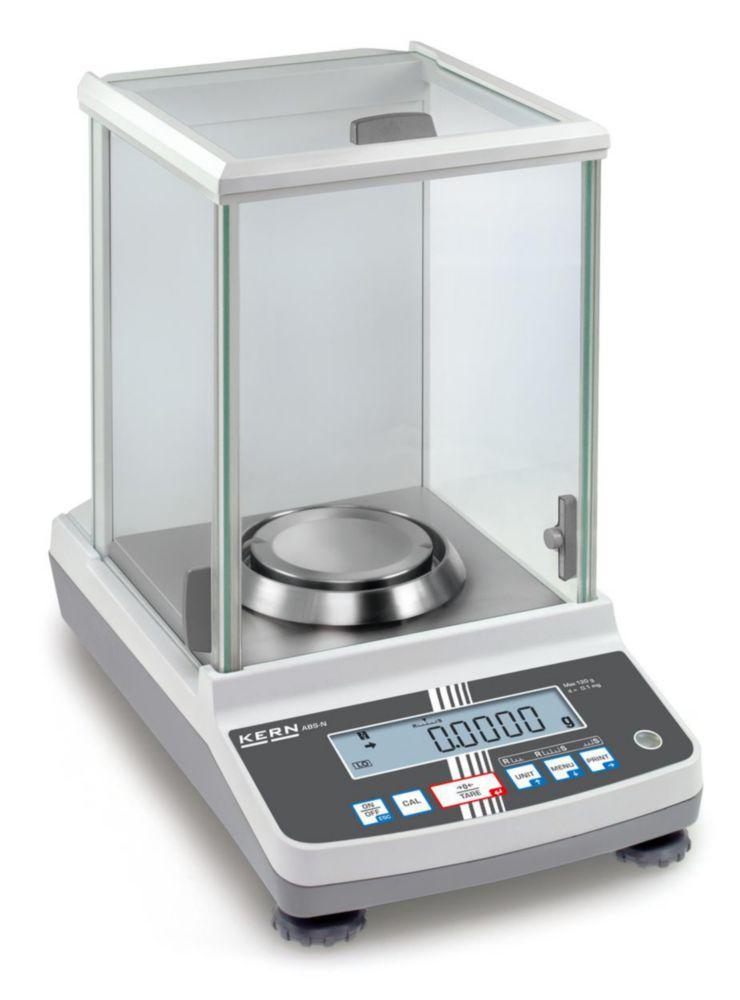
Choosing the Right Laboratory Balance: Precision, Analytical, and Moisture Balances Explained
Choosing the right laboratory balance is essential for accurate measurements in research, industry, and quality control. This article explains the differences between precision balances, analytical balances, and moisture balances, helping you select the best option based on accuracy, capacity, and application. Whether you need a precision balance for general lab weighing, an analytical balance for ultra-fine measurements, or a moisture balance for rapid moisture analysis, this guide provides expert insights. Find high-quality laboratory balances from top brands at LabFriend.

Bohlender PTFE Tubing 0.50 x 100mm (0.25 Wall) – High-Performance Tubing for Laboratory & Industrial Applications
Discover Bohlender PTFE Tubing 0.50 x 100mm (0.25 Wall) for chemical, industrial, and laboratory applications. High-temperature resistant & non-reactive. Shop now at LabFriend!

How to Choose the Right Laboratory Balance: A Comprehensive Guide
Selecting the right laboratory balance is crucial for ensuring accurate measurements in scientific research, industrial applications, and quality control. This comprehensive guide breaks down the different types of lab balances, key factors to consider, calibration options, and industry compliance standards. Whether you're looking for an analytical balance, precision balance, or microbalance, this article helps you make an informed decision, ensuring reliability and efficiency in your lab operations.