Vacuum Pump: A Critical Tool for Controlled Laboratory Environments
1 min read
A vacuum pump is an essential tool for lab applications like filtration, evaporation, and drying. LabFriend offers oil-free and rotary vane vacuum pumps from trusted brands such as KNF, Vacuubrand, and Welch, with fast delivery and expert support across Australia.
Introduction
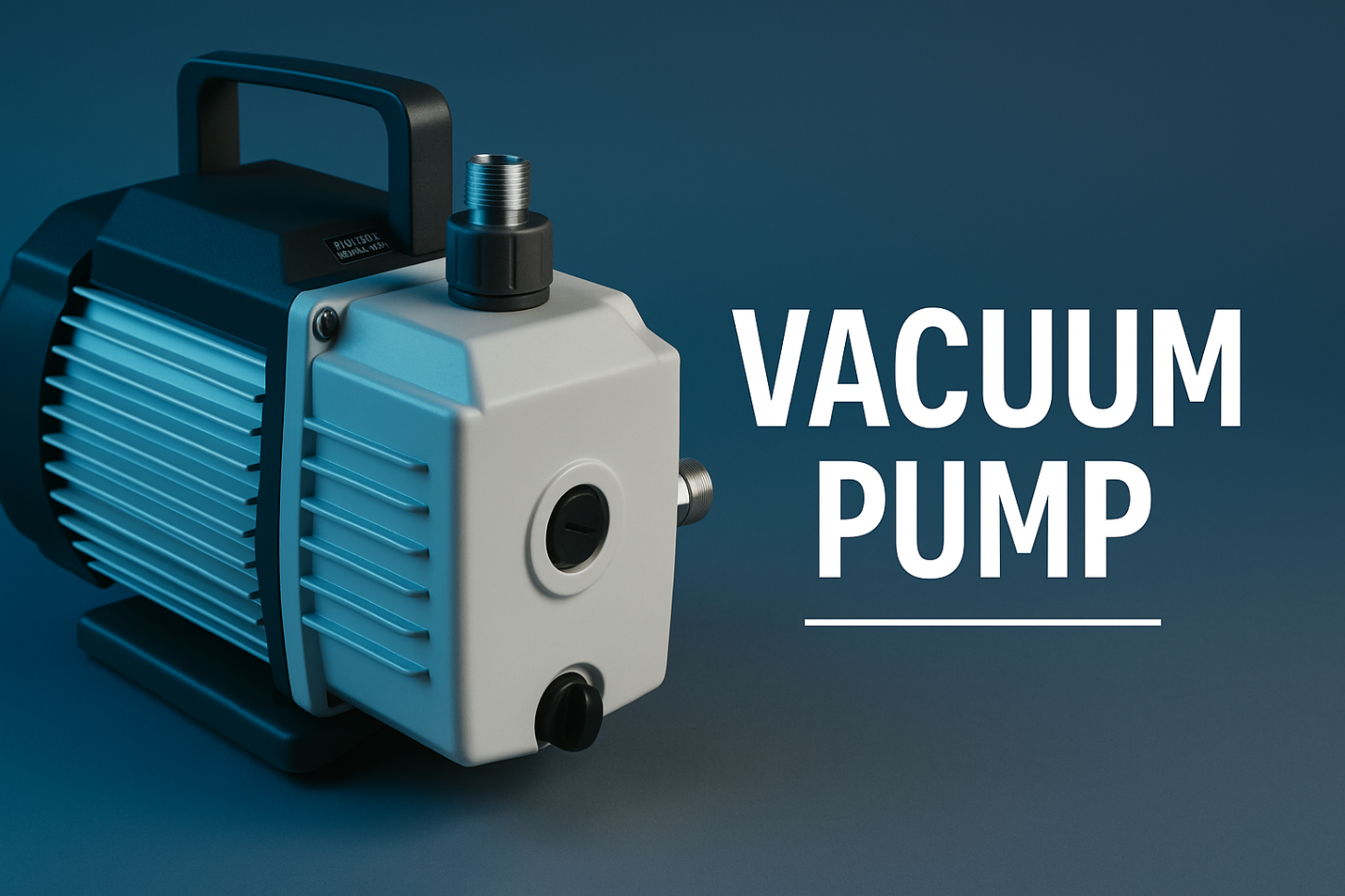
A vacuum pump is an essential tool in modern laboratories, widely used for filtration, degassing, distillation, drying, and sample concentration. Whether you're running a rotary evaporator, setting up a vacuum oven, or processing sensitive materials, the right vacuum pump ensures consistency, control, and safety.
At LabFriend, we supply a wide range of laboratory vacuum pumps, including diaphragm, rotary vane, and oil-free models from trusted brands like KNF, Vacuubrand, Welch, and BrandTech—with fast Australia-wide delivery.
🧪 What Is a Vacuum Pump Used For?
A vacuum pump removes air or gas molecules from a sealed space, creating negative pressure (vacuum). This vacuum facilitates faster evaporation, improved solvent recovery, contamination-free filtration, and more efficient drying.
Common lab applications include:
-
Rotary evaporation
-
Vacuum filtration
-
Freeze-drying (lyophilisation)
-
Degassing solvents
-
Mass spectrometry and vacuum ovens
🔍 Types of Vacuum Pumps Available at LabFriend
1️⃣ Diaphragm Vacuum Pumps – KNF, Vacuubrand
-
Oil-free, chemically resistant
-
Ideal for filtration, solvent degassing, and SPE
-
Quiet, low-maintenance, long lifespan
2️⃣ Rotary Vane Vacuum Pumps – Welch, BrandTech
-
High vacuum performance (down to 10⁻³ mbar)
-
Perfect for freeze-drying, rotary evaporation, and vacuum distillation
-
Typically oil-lubricated for tighter seals
3️⃣ Oil-Free Pumps
-
Lower maintenance
-
No risk of oil contamination
-
Ideal for analytical instruments like GC-MS, LC-MS
⚙️ How to Choose the Right Vacuum Pump
Selecting the right vacuum pump depends on your application and lab setup. Consider:
-
Vacuum Range Needed:
-
Rough vacuum for filtration: 1,000–1 mbar
-
Medium vacuum for rotary evaporation: 1–10⁻³ mbar
-
High vacuum for mass spec: below 10⁻³ mbar
-
-
Chemical Compatibility:
-
Choose PTFE-coated diaphragm pumps for aggressive solvents
-
Use oil-free pumps for clean, dry vacuum environments
-
-
Flow Rate & Pumping Speed:
-
Higher flow rates = faster processing
-
Match to your glassware or system size
-
-
Maintenance & Noise Level:
-
Diaphragm pumps are quieter and easier to maintain
-
Rotary vane pumps need regular oil changes
-
💡 Need help matching a pump to your evaporator or oven? LabFriend’s support team is here to help.
🏷️ Brands You Can Trust at LabFriend
We supply lab-grade vacuum pumps from reliable manufacturers:
-
KNF – Premium diaphragm pumps for chemistry labs
-
Vacuubrand – Chemically resistant and whisper-quiet
-
Welch – Durable rotary vane vacuum pumps
-
BrandTech Scientific – Compact, high-performance vacuum solutions
-
Heidolph – Vacuum control systems and accessories
🛠️ Maintenance Tips for Vacuum Pumps
To extend the lifespan of your vacuum pump:
-
Clean external surfaces regularly
-
Monitor oil levels and replace when contaminated (for rotary vane)
-
Use a trap to prevent vapour backflow into the pump
-
Store in a dry, dust-free environment
-
Schedule annual service checks or calibrations
LabFriend can assist with service parts and accessories if needed.
📈 Final Thoughts
A reliable vacuum pump is the backbone of any lab process that requires controlled pressure or fast solvent removal. Choosing the right model ensures efficiency, chemical compatibility, and long-term durability.
At LabFriend, we make it easy to find and order the best vacuum pump for your lab—backed by premium brands, competitive pricing, and fast shipping across Australia.
🔬 Ready to elevate your lab work? Explore now at LabFriend
Frequently asked questions
Most orders ship within 24 hours and arrive in 3–5 business days depending on your location.
_0.png)